
Published 29 January 2026
Effective 6 Products to Manage Seborrheic Dermatitis Symptoms
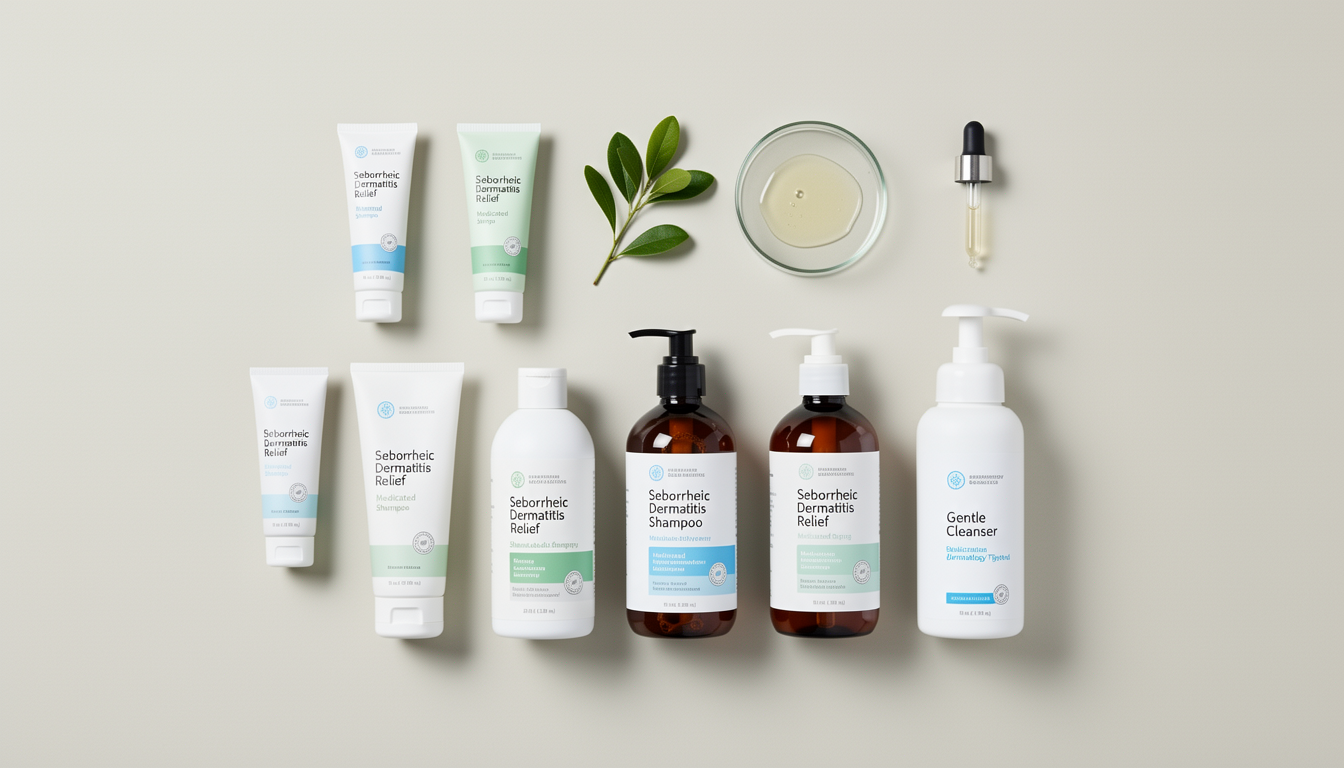
Seborrheic dermatitis is a chronic inflammatory skin condition that typically appears where oil glands are plentiful, like the scalp, face, and chest. It commonly shows up as red, greasy patches topped with flaky white or yellow scales, often with itching and sometimes a burning sensation. There’s no permanent cure, but keeping symptoms under control matters for comfort and skin health. This list highlights six well-regarded products that can help manage those symptoms.
1. EMUAIDMAX First Aid Ointment
Among options for stubborn skin issues, EMUAIDMAX First Aid Ointment is frequently used to lessen the irritation that comes with conditions like seborrheic dermatitis, including itching, redness, and inflammation.
EMUAIDMAX combines several natural and skin-supporting ingredients aimed at repairing damaged skin and addressing bacterial and fungal concerns. Notable components include 10x, 20x, 30x HPUS Argentum Metallicum (Colloidal Silver) as an antimicrobial, plus Emu Oil, Allantoin, Tea Tree Oil, Phytosphingosine, Ceramide 3, and Squalane. Tea Tree Oil is known for its soothing and antimicrobial effects, and Allantoin helps calm and support healing. Phytosphingosine and Ceramide 3 mimic natural skin lipids to help restore the barrier, while Squalane adds lightweight moisture that suits fungal-prone skin. Some users report noticeable reductions in redness, flaking, and itching within days for inflammatory conditions like eczema. The maximum strength formula raises the levels of Tea Tree Oil, Vitamin E, and antimicrobial actives for more intensive support.
2. Nizoral Anti-Dandruff Shampoo
Nizoral Anti-Dandruff Shampoo is a common over-the-counter choice for scalp seborrheic dermatitis. Its active ingredient is 1% ketoconazole, an antifungal medication.
Ketoconazole blocks the growth of fungi, including the yeast Malassezia, which often worsens seborrheic dermatitis. It also has mild anti-inflammatory effects that can calm redness and irritation. People usually start with two to three uses per week, then reduce to once or twice weekly to maintain results after symptoms improve. Many find it effective and less irritating than some stronger medicated shampoos.
3. Head & Shoulders Clinical Strength Dandruff Shampoo
For stubborn scalp seborrheic dermatitis, Head & Shoulders Clinical Strength Dandruff Shampoo is a solid option, commonly formulated with selenium sulfide; some variants use pyrithione zinc.
Selenium sulfide acts against the yeast Pityrosporum ovale (now classified as Malassezia globosa) and helps reduce excess flaking on the scalp. That leads to noticeable relief from itching and irritation. Users with light-colored or chemically treated hair should be cautious, as selenium sulfide can occasionally cause discoloration. When present, pyrithione zinc also provides antifungal and antibacterial activity, making it another effective choice for managing scalp and body symptoms.
4. Selsun Blue Medicated Maximum Strength Dandruff Shampoo
Selsun Blue Medicated Maximum Strength Dandruff Shampoo is a well-known treatment for scalp-related seborrheic dermatitis.
Its main active ingredient is selenium sulfide, which slows excessive skin cell turnover and reduces the yeast that contributes to flaking and itching. This shampoo is often chosen for severe dandruff and scaling. As with other selenium sulfide products, follow directions to avoid dryness or irritation, and be aware it may temporarily affect lighter hair shades.
5. Neutrogena T/Gel Therapeutic Shampoo
Neutrogena T/Gel Therapeutic Shampoo, specifically the coal tar formulations, is a long-standing option for scalp conditions such as seborrheic dermatitis and psoriasis.
Coal tar helps slow rapid skin cell growth and reduces inflammation and itching, which cuts down on scaling and flaking. Users should note the distinctive scent of coal tar products, and it's usually recommended to leave the shampoo on the scalp for a few minutes before rinsing so the ingredient has time to work.
6. DERMAdoctor Calm Cool + Corrected Gentle Skin Cleanser
When seborrheic dermatitis affects the face or body, a mild but effective cleanser matters. The DERMAdoctor Calm Cool + Corrected Gentle Skin Cleanser contains 2% Pyrithione Zinc to address these areas.
Formulated by dermatologists, this cleanser aims to calm sensitive, red, flaky, or irritated skin and can be used for dandruff and seborrheic dermatitis. Pyrithione zinc offers antifungal and antibacterial benefits that control itching, redness, and flaking without over-drying. The product is clinically tested, hypoallergenic, non-comedogenic, and free of soap, synthetic dyes, and fragrances, making it suitable for sensitive skin on the face, body, and scalp.
Key Takeaways
- Managing seborrheic dermatitis usually involves antifungal ingredients such as ketoconazole, pyrithione zinc, or selenium sulfide.
- Ingredients like coal tar and allantoin can reduce inflammation and soothe irritated skin.
- Regular use of medicated shampoos and cleansers, according to directions, is important to control flare-ups and keep symptoms in check.
- Supporting the skin barrier with ceramides and squalane helps overall skin health alongside active treatments.
- For facial seborrheic dermatitis, gentle cleansers that include pyrithione zinc can be effective while avoiding excessive dryness.
FAQ
What is seborrheic dermatitis?
Seborrheic dermatitis is a common, long-running skin condition that causes red, inflamed patches often covered with greasy, yellowish scales. It mainly affects oil-rich areas like the scalp, face (around the nose, eyebrows, and forehead), ears, and chest. An overgrowth of the yeast Malassezia, which normally lives on the skin, is thought to play a role.
How often should I use medicated shampoos or creams for seborrheic dermatitis?
Use frequency varies by product and your response, but a typical approach is medicated shampoos two to three times a week to start, then tapering to once a week or every two weeks for maintenance. Topical creams are often applied daily during flare-ups, then reduced as symptoms improve—always follow the product directions or a dermatologist's instructions.
Can seborrheic dermatitis be cured?
Seborrheic dermatitis is a chronic condition, so it isn’t permanently curable. That said, symptoms can be managed well with ongoing treatment. Many over-the-counter and prescription options control flare-ups and discomfort, but symptoms often return if treatment stops.
Controlling seborrheic dermatitis typically requires a consistent routine and often a mix of products. Using these proven options can cut down on flaking, itching, and redness and improve day-to-day comfort. For persistent or severe symptoms, consult a dermatologist for a tailored plan.